
Firm News
How To Handle Harassment Allegations Involving Contractors Or Vendors
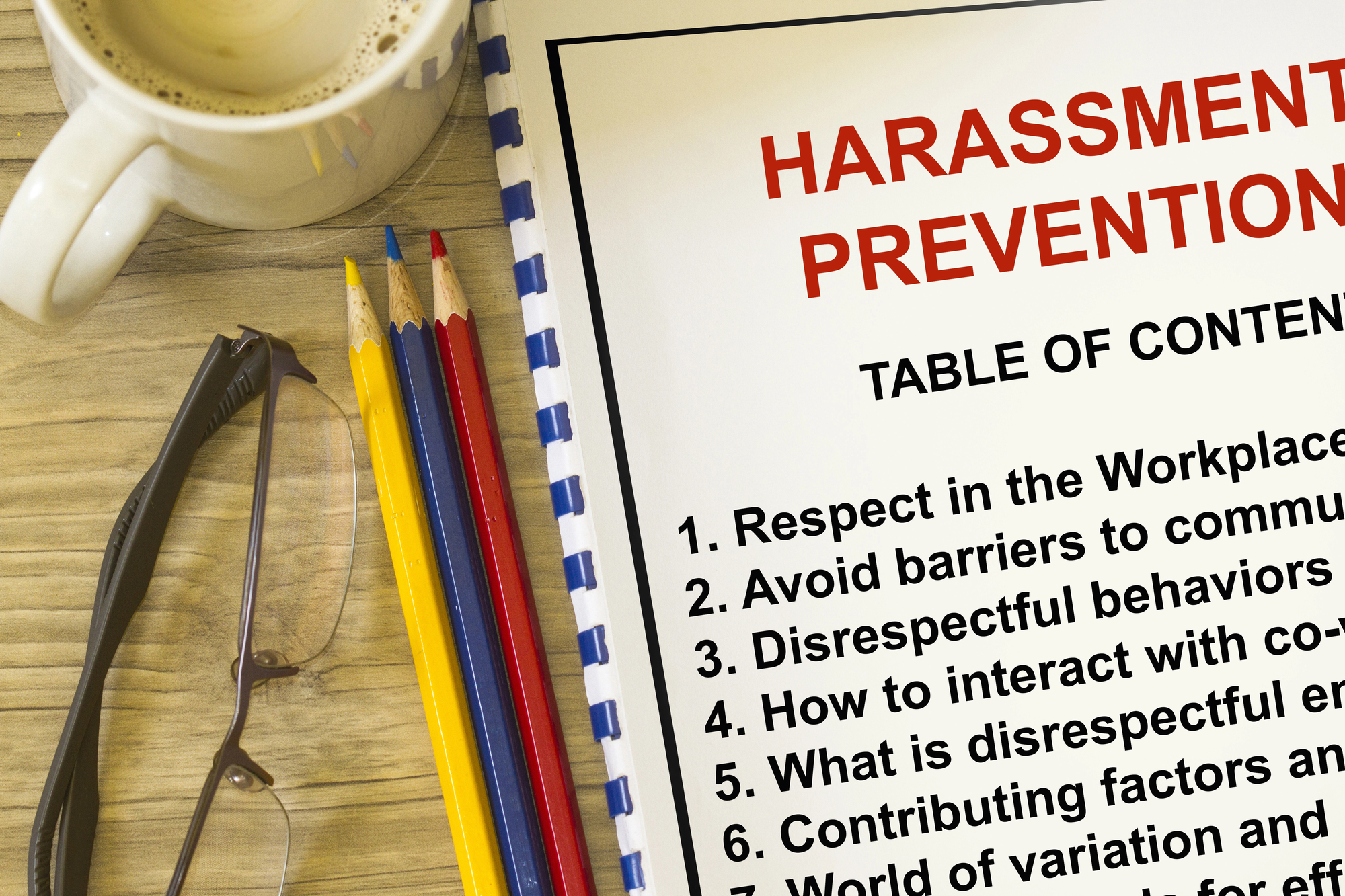
Workplace harassment concerns are not limited to employees. Businesses regularly interact with others: contractors, vendors, consultants, clients, and other third parties. When allegations involve someone outside a traditional employer-employee relationship, leadership may be unsure of what responsibilities they carry.
Ignoring these situations can create serious problems. While a business may not directly employ a person who is accused of misconduct, leadership still must not disregard concerns regarding workplace behavior. Taking allegations seriously and responding in an appropriate manner can help employers maintain an environment with limited unnecessary risk.
Schwab & Gasparini works with businesses throughout New York on employment defense matters, workplace disputes, and complicated legal concerns. Businesses interested in discussing their circumstances can contact Schwab & Gasparini at the Syracuse Office (315) 422-1333, Albany Office (518) 591-4664, White Plains Office (914) 304-4353, or Hudson Valley Office (914) 304-4353.
Summary of Vendor and Contractor Harassment Accusations
New York employers should carefully address harassment allegations involving contractors, vendors, and other third parties because workplace responsibilities may extend beyond direct employees.
- Harassment allegations involving contractors or vendors require employers to review the situation, gather information, document concerns, and determine an appropriate response.
- New York businesses may need to evaluate third-party relationships, contracts, workplace policies, and available control over outside individuals when addressing harassment concerns.
- Preventive steps such as clear workplace expectations, updated policies, consistent reporting procedures, and careful communication can help businesses manage contractor and vendor interactions.
Schwab & Gasparini works with businesses throughout New York on employment defense matters, workplace disputes, and legal issues involving contractors, vendors, and other professional relationships.
Understanding Third-Party Harassment Issues
Many employers think about harassment policies only in terms of their employees. However, workplace interactions frequently go well beyond internal staff members.
A company may regularly work with outside individuals, including:
- Independent contractors
- Vendors
- Consultants
- Delivery staff
- Clients or customers
- Temporary workers
These relationships can create difficult situations when harassment allegations surface. A business may have less control over a contractor or vendor than it does over an employee, but the company must still evaluate what happened and determine an appropriate response.
A professional relationship with an outside party should not prevent a business from resolving workplace concerns.
Taking Allegations Seriously From The Beginning
When a harassment allegation involves a contractor or vendor, the first response matters. Dismissing a concern because the accused person works for another company can create additional complications.
Employers should take reasonable steps to understand the situation; this often starts with gathering information and determining who was involved.
Important questions might include:
- What conduct was reported?
- When and where did the incident occur?
- Who was involved?
- Were there witnesses?
- Has a similar concern been reported before?
A careful response helps establish that the company takes workplace concerns seriously, regardless of who is involved.
Reviewing New York Workplace Responsibilities
New York employers need to understand that workplace harassment obligations can go beyond direct employees. Under New York law, businesses may need to address certain conduct involving non-employees, including contractors and vendors.
Employers should avoid assuming that outside relationships remove all responsibility. The specific facts of the situation matter.
A review may include:
- The relationship between the business and outside party
- The company’s knowledge of the alleged conduct
- Steps taken after learning about the concern
- The level of control available over the situation
Every allegation requires its own evaluation. A response which works in one situation may not be appropriate in another.
Conducting A Reasonable And Effective Investigation
A workplace investigation must focus on understanding what happened. The goal is not to reach a conclusion before reviewing the facts. When contractors or vendors are involved, investigations may require additional steps. Employers should coordinate with another company while still protecting their own workplace.
An investigation may involve:
- Speaking with involved individuals
- Reviewing documents or communications
- Preserving relevant information
- Evaluating workplace policies
- Documenting the process
The investigation must stay professional and consistent. Rushing the process or ignoring important details can create further problems.
Communicating With Contractors And Vendors
Handling allegations involving outside parties calls for careful communication. Employers need to gather information without creating unnecessary conflict or making unsupported assumptions. Depending on the circumstances, communication may involve:
- Notifying the contractor or vendor company
- Reviewing contract terms
- Discussing workplace expectations
- Determining appropriate next steps
A business relationship does not eliminate an obligation for accountability. At the same time, companies should approach these conversations carefully. Clear expectations can help prevent confusion and reduce future problems.
Reviewing Contracts And Workplace Policies
Contracts with vendors and contractors can play an important role when problems occur. Businesses should understand what agreements say about office behavior, reporting procedures, and ending a relationship if necessary. Important contract provisions may involve:
- Professional conduct expectations
- Compliance requirements
- Reporting obligations
- Termination rights
- Dispute procedures
Internal workplace policies should also address interactions with third parties.
Schwab & Gasparini helps businesses evaluate employment concerns, workplace policies, and disputes involving complicated professional relationships. Preemptive planning can help companies respond more effectively when problems arise.
Protecting Employees While Managing Business Relationships
Harassment allegations involving contractors or vendors can place employers in a difficult position. A company may value an outside business relationship, but it also needs to consider workplace responsibilities. Employers may need to take steps to prevent additional complications while the matter is reviewed. Possible responses may include:
- Adjusting workplace interactions
- Changing communication procedures
- Limiting contact between certain individuals
- Reviewing vendor relationships
The appropriate response depends on the specific facts. The goal should be to address the concern while making well-informed decisions about business operations.
Avoiding Common Employer Mistakes
When allegations involve someone outside the company, employers sometimes respond differently than they would with an internal complaint. This can create unnecessary risks. Common mistakes may include:
- Assuming the company has no responsibility
- Waiting too long to respond
- Failing to document actions taken
- Ignoring previous concerns
- Treating similar situations inconsistently
A handbook or policy will not protect a business if leadership disregards workplace concerns. Employers should focus on consistent action rather than simply having written procedures in place.
Avoiding Upcoming Issues With Contractors And Vendors
Businesses cannot control every communication involving outside parties, but they can take steps to reduce confusion. Preventive measures may include:
- Communicating clear workplace expectations
- Reviewing vendor agreements
- Training employees on reporting procedures
- Maintaining updated policies
- Responding consistently to concerns
Strong practices before an issue occurs can make difficult situations easier to manage later. Workplace relationships continue to change, and businesses should make sure their procedures reflect those changes.
Contact a Workplace Harassment Attorney from Schwab & Gasparini
Handling harassment allegations involving contractors or vendors requires a careful response. Even when the person involved is not a direct employee, businesses may still need to review the situation, gather information, and identify suitable next steps.
New York employers should understand how third-party relationships can affect workplace responsibilities. Explicit policies, careful investigations, and consistent responses can help businesses address concerns while managing professional relationships.
Schwab & Gasparini works with businesses throughout New York on employment defense matters, workplace concerns, and complex disputes. Businesses interested in learning more about available legal options can contact Schwab & Gasparini at the Syracuse Office (315) 422-1333, Albany Office (518) 591-4664, White Plains Office (914) 304-4353, or Hudson Valley Office (914) 304-4353.
Common FAQs Regarding Workplace Harassment with Contractors and Non-Employees
The following FAQs are relevant to harassment allegations involving contractors, vendors, third-party workplace relationships, and employer responsibilities in New York.
Can Employers Be Responsible For Harassment Involving Contractors Or Vendors?
Employers may have responsibilities when harassment allegations involve contractors, vendors, or other third parties. New York businesses should review the specific circumstances, their knowledge of the situation, and the steps taken after learning about the concern.
How Should A Business Respond To A Harassment Allegation Involving A Contractor?
A business should review the reported conduct, gather relevant information, and determine appropriate next steps based on the facts. A consistent process can help employers address workplace concerns involving employees and outside parties.
Should A Workplace Investigation Include Contractors And Vendors?
A workplace investigation may include contractors, vendors, or other outside individuals when they are connected to the reported concern. The process may involve reviewing documents, speaking with involved individuals, and documenting the information gathered.
Why Are Vendor Agreements Important When Addressing Workplace Concerns?
Vendor agreements may explain expectations for professional conduct, compliance requirements, reporting procedures, and options available when problems occur. Reviewing these agreements can help businesses understand how to handle concerns involving outside relationships.
What Mistakes Should Employers Avoid With Third-Party Harassment Allegations?
Common mistakes include delaying a response, failing to document actions taken, ignoring previous concerns, or assuming that outside relationships remove all responsibility. Employers benefit from consistent procedures when handling workplace issues.
Can Workplace Policies Address Conduct By Non-Employees?
Workplace policies can include expectations involving interactions with contractors, vendors, clients, customers, and other third parties. Clear policies may help employees understand reporting procedures and workplace standards.
How Can Employers Reduce Future Issues With Contractors And Vendors?
Employers may reduce confusion by communicating workplace expectations, reviewing agreements, maintaining updated policies, and responding consistently to concerns. These steps can support a more organized approach to third-party workplace relationships.
How Can Schwab & Gasparini Help With Contractor Or Vendor Harassment Concerns?
Consider visiting with an experienced attorney at Schwab & Gasparini to learn more about legal options involving workplace harassment concerns, employment defense matters, and third-party business relationships. The team at Schwab & Gasparini works to ensure clients understand their rights and potential legal paths.
Syracuse
109 South Warren Street
Suite 306
Syracuse, NY 13202
Phone: 315-422-1333
Fax: 315-671-5013
White Plains
White Plains, NY
Phone: 914-304-4353
Fax: 914-304-4378
Hudson Valley
1441 Route 22
Suite 206
Brewster, NY 10509
Phone: 914-304-4353
Fax: 914-304-4378
Albany
17 Elk Street
Albany, NY 12207
Phone: 518-591-4664
Fax: 315-671-5013
© Copyright 2026 Schwab & Gasparini. All Rights Reserved. Sitemap | Legal | Law Firm Internet Marketing by Law Firm Essentials