
Firm News
New York Minimum Wage Laws And What Employers Need To Know
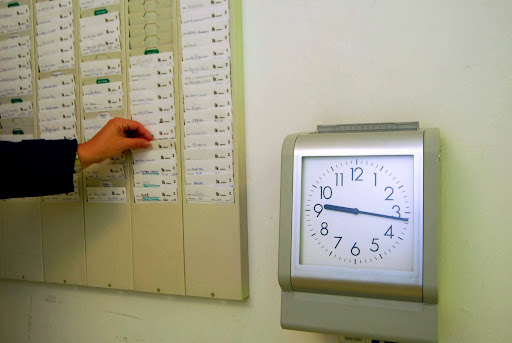
Wage requirements in New York can change based on where an employee works, their position, and the industry of the business. As of January 1, 2026, the minimum wage is $17 per hour in New York City, Long Island, and Westchester County. The rate is $16 per hour throughout the rest of the state.
Keeping payroll practices current is important because even a small wage error can expose a business to claims for penalties and unpaid wages. Employers who have questions about New York wage and hour requirements can contact Schwab & Gasparini at (315) 422-1333 in Syracuse, (518) 591-4664 in Albany, (914) 304-4353 in White Plains, or (914) 304-4353 in the Hudson Valley.
Summary of Minimum Wage Requirements and New York Law
New York minimum wage laws require employers to follow wage rates and related requirements that can vary by location, employee classification, and type of work.
- As of January 1, 2026, the minimum wage is $17 per hour in New York City, Long Island, and Westchester County, and $16 per hour throughout the remainder of New York State.
- Employers must also consider overtime requirements, salary thresholds for certain exempt employees, and special wage rules for tipped workers.
- Accurate timekeeping, wage statements, employee classifications, and payroll records can help businesses document compliance and address potential wage disputes.
Schwab & Gasparini represents employers and businesses in wage and hour and employer defense matters throughout New York, including Syracuse, Albany, White Plains, and the Hudson Valley.
Understanding New York’s 2026 Minimum Wage Rates
There is no single statewide minimum wage rate in New York. Rather, the amount an employee must receive will depend on where that employee performs their duties.
For 2026, the general rates are:
- $17 per hour in New York City
- $17 per hour in Nassau, Suffolk, and Westchester counties
- $16 per hour in the remainder of New York State
The location of the employee’s work controls the applicable rate, not the employer’s headquarters. This can be important for corporations with employees who travel between offices or job sites.
If an employee performs work in more than one minimum wage region, an employer may pay the highest rate for all hours. As an alternative, the business can pay the appropriate rate for those hours that were worked in each region. When different rates are used, the employer must maintain records showing the hours worked at each rate.
Beginning in 2027, New York’s minimum wage is scheduled to be adjusted for inflation. This will generally use a three-year average of changes in the Consumer Price Index for Urban Wage Earners and Clerical Workers for the Northeast Region. With that said, state law does provide circumstances under which an increase may not take effect.
Wage Changes Can Affect More Than Hourly Employees
An increase in the minimum wage can also affect businesses that employ salaried workers. New York establishes the minimum salary thresholds for certain executive and administrative employees who are classified as exempt from overtime requirements.
As of January 1, 2026, the applicable minimum weekly salary is $1,275 in New York City, Nassau, Suffolk, and Westchester counties. The threshold is $1,199.10 per week in the rest of the state.
Meeting the salary threshold alone does not necessarily exempt an employee from overtime. The employee must also satisfy the applicable requirements concerning his or her job duties. Employers should therefore avoid making the assumption that paying a worker a salary automatically removes that worker from overtime protections.
Worker classification deserves particular attention when wages or job responsibilities change. A position that was properly classified in the past might require another review when salary thresholds increase or when an employee’s actual duties change.
Tipped Employees Have Different Wage Requirements
New York permits certain hospitality businesses to use a tip credit when paying qualifying tipped workers. These rules allow an employer to pay a cash wage that is below the general hourly rate when the employee receives enough qualifying tips to satisfy the applicable requirements.
For 2026, tipped food service workers in New York City, Long Island, and Westchester County must receive a cash wage of at least $11.35 per hour, with a maximum tip credit of $5.65. In the rest of the state, the required cash wage is $10.70, with a maximum tip credit of $5.30.
Different rates apply to other tipped service employees. In addition, employers must satisfy requirements that govern notice, recordkeeping, and the employee’s actual receipt of tips before relying on a tip credit.
Tip credits can become especially complicated when employees perform both tipped and non-tipped work. Hospitality businesses should carefully track job duties and worked hours because New York limits the circumstances under which a tip credit may be taken.
Overtime Rules Remain an Important Part of Wage Compliance
Minimum wage compliance should not be separated from overtime obligations. Most nonexempt employees in New York must receive one and one-half times their regular rate of pay for hours they work beyond 40 in any given workweek.
Calculation of the regular rate might require additional attention if an employee receives more than one hourly rate in the same week. New York requires that the regular rate account for the employee’s gross earnings and their hours worked, not just whichever hourly rate the employee happened to earn when the overtime rate began to apply.
Businesses should also examine whether all worked hours are being recorded. Tasks that are performed before or after a scheduled shift and work completed remotely or on a lunch break may create wage issues when the time is not correctly recorded.
Schwab & Gasparini represents businesses in employer defense matters, including disputes involving wage and hour requirements. Reviewing payroll practices before a dispute develops can help a company identify classification or recordkeeping issues that might otherwise remain unnoticed.
Employers Should Maintain Accurate Wage Records
Recordkeeping is a huge part of New York wage compliance. Employers should maintain accurate information regarding all hours worked, each employee’s wage rates, and all wages earned. When an employee works at different rates during the same pay period, those rates must also appear on the employee’s wage statement.
Businesses with employees who work across multiple New York wage regions might find that they face additional recordkeeping responsibilities. If a company pays different regional rates, its records should clearly establish where the employee worked and should specify how many hours were performed at each rate.
New York employers are required to post the applicable minimum wage notice. Any changes in pay should be properly reflected in wage statements, and additional notice requirements may apply in particular industries.
Accurate records will become especially important if a wage dispute arises. Payroll records, timekeeping data, employee notices, and even job descriptions can all help establish how a business calculated and paid wages.
Wage Violations Can Become Expensive for Businesses
A payroll mistake can cost considerably more than the original amount of unpaid wages. The New York State Department of Labor can seek minimum wage underpayments, liquidated damages, interest, and civil penalties. The Department states that civil penalties can reach as much as 200 percent of unpaid wages in some circumstances.
Businesses can reduce their legal exposure by periodically reviewing:
- Employee wage rates and work locations
- Exempt and nonexempt classifications
- Overtime calculations
- Tip credit practices
- Timekeeping procedures
- Wage statements and employee notices
- Required workplace postings
Reviews like these are of particular use when wage rates change. Payroll software can help to automate calculations, but a business is still responsible for making sure that the information that is entered into those systems reflects New York requirements.
Discuss New York Wage And Hour Compliance With Schwab & Gasparini
New York wage laws create ongoing responsibilities for employers, and those responsibilities extend beyond just paying the correct hourly minimum wage. Geographic differences, overtime rules, employee classifications, tip credits, notices, and recordkeeping requirements can all affect a company’s compliance obligations.
Schwab & Gasparini has more than 75 years of combined legal experience representing businesses and employers throughout New York. To learn more about employer defense and wage and hour matters, contact the firm at (315) 422-1333 in Syracuse, (518) 591-4664 in Albany, (914) 304-4353 in White Plains, or (914) 304-4353 in the Hudson Valley.
Frequently Asked Questions About Wage and Hour Laws for Employers
The following frequently asked questions address New York minimum wage requirements and related wage and hour issues that employers may encounter.
What Is the Minimum Wage in New York in 2026?
As of January 1, 2026, the minimum wage is $17 per hour in New York City, Nassau County, Suffolk County, and Westchester County. The minimum wage is $16 per hour throughout the remainder of New York State.
Does an Employer’s Location Determine the Applicable Minimum Wage?
The employee’s work location generally determines the applicable minimum wage rather than the location of the employer’s headquarters. This distinction can affect businesses with employees who travel between offices, job sites, or different wage regions.
What Happens When an Employee Works in More Than One Minimum Wage Region?
An employer may pay the highest applicable minimum wage for all hours worked or pay the appropriate regional rate for hours worked in each location. When an employer uses different rates, accurate records must document the hours worked at each rate.
Does the New York Minimum Wage Affect Salaried Employees?
Minimum wage increases can affect the salary thresholds that apply to certain executive and administrative employees who are exempt from overtime requirements. Meeting the salary threshold alone does not establish an overtime exemption because the employee must also satisfy applicable job-duty requirements.
What Are the Minimum Wage Rules for Tipped Employees in New York?
Certain hospitality employers may use a tip credit for qualifying employees when applicable requirements are satisfied. The required cash wage and maximum tip credit vary by region, and employers must comply with rules concerning tips, notices, employee duties, and recordkeeping.
When Is Overtime Required for New York Employees?
Most nonexempt employees must receive one and one-half times their regular rate of pay for hours worked beyond 40 in a workweek. Employers may need to account for multiple wage rates and other earnings when determining an employee’s regular rate.
What Wage Records Should New York Employers Maintain?
Employers should maintain accurate records of hours worked, wage rates, wages earned, and other required payroll information. Businesses that pay different regional or hourly rates should also document where employees worked and the number of hours compensated at each rate.
What Can Happen if an Employer Violates New York Wage Laws?
Wage violations may result in liability beyond the original unpaid wages. Depending on the circumstances, the New York State Department of Labor may seek unpaid minimum wages, liquidated damages, interest, and civil penalties.
How Can Schwab & Gasparini Help Employers With New York Wage And Hour Matters?
Schwab & Gasparini represents New York businesses in employer defense matters, including disputes involving minimum wage, overtime, classification, and recordkeeping requirements. Employers may consider visiting with an experienced attorney at Schwab & Gasparini to learn more about their legal options and obligations under New York wage and hour laws.
Syracuse
109 South Warren Street
Suite 306
Syracuse, NY 13202
Phone: 315-422-1333
Fax: 315-671-5013
White Plains
White Plains, NY
Phone: 914-304-4353
Fax: 914-304-4378
Hudson Valley
1441 Route 22
Suite 206
Brewster, NY 10509
Phone: 914-304-4353
Fax: 914-304-4378
Albany
17 Elk Street
Albany, NY 12207
Phone: 518-591-4664
Fax: 315-671-5013
© Copyright 2026 Schwab & Gasparini. All Rights Reserved. Sitemap | Legal | Law Firm Internet Marketing by Law Firm Essentials