
Firm News
The Impact Of Social Media On Workplace Harassment: What Employers Need To Know
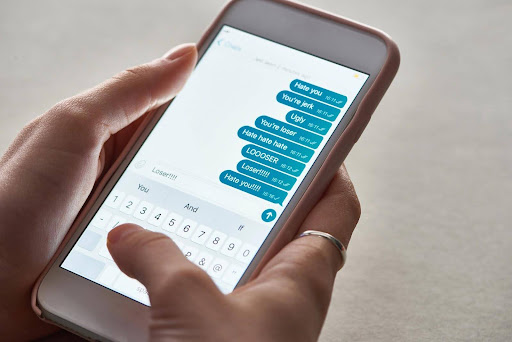
Workplace harassment seems easy enough to define: it is harassment that takes place in the workplace. However, the rise of social media allows for something that once only occurred within the confines of the workplace to seep out into the rest of the world. What is the impact of social media on harassment in the workplace? Does it truly make things worse, or can employers ignore it? If employers wish to address it, how should they do so? The most disturbing question is, how do deepfakes fit into this? At Schwab & Gasparini, our employer defense attorneys may be able to assist you with creating a harassment policy that includes social media, having a clear plan for discipline and termination for harassment, and ensuring that you have all the evidence required to back up decisions to discipline and terminate employees for harassing others. Book a consultation in one of our four offices by calling our Syracuse office at (315) 422-1333, our Albany office at (518) 591-4664, or the White Plains or Hudson Valley offices at (914) 304-4353.
Can Employers Monitor Employees' Social Media Use?
When discussing the impact of social media on workplace harassment, one of the first questions that arises for most employers is whether they can monitor their employees’ social media use in the first place. While employers want to provide a safe work environment, they do not want to open themselves up to a lawsuit for invading an employee’s privacy. Monitoring social media is undoubtedly a fine line, but there are circumstances under which an employer can look at, monitor, and use social media posts to make decisions regarding hiring, firing, promoting, or demoting an employee or potential employee.
What Employers Can Do
N.Y. Civ. Rights Law § 52-C provides that New York employers can monitor their employees’ electronic use, including telephone calls, emails, and internet access or usage, if they provide notice of such monitoring. This notice must be conspicuously posted in the workplace and must also be provided in writing and acknowledged by the employees in writing or electronically.
Employers can also require disclosure of information related to company accounts, computers, and other information. This includes user names, passwords, and other authentication information for social media accounts that belong to the company. Additionally, employers can view any publicly available posts and information that their employees have shared online. If an employee reports harassment through social media, employers may also view private posts, comments, or other information that the reporting employee has access to and shares as evidence to support their report.
What Employers Cannot Do
While there are many things an employer can do when monitoring social media for workplace harassment, there are also many things they cannot. Employers cannot request, require, or coerce an applicant or employee to disclose user names, passwords, or other authentication methods for accessing the individual’s personal accounts. The employer cannot demand that the employee access their personal accounts in the employer’s presence. The employer cannot reproduce photos, videos, or other information from a personal account if it was obtained by any means prohibited by law, and cannot ask employees to provide screenshots or copies of information from their personal accounts. Employers cannot fire, discipline, or otherwise penalize employees for refusing to disclose such information.
However, there are exceptions to what employers cannot do. For example, if the employee voluntarily adds the employer as a contact on their private social media, the employer may then access the personal account in the same ways that any other contact would be able to access it. Additionally, any social media accounts the employee creates solely for business purposes for the company are not considered personal accounts, and the employer can request access, including user name and password or other authentication methods, to those accounts.
How Employers Can Protect Themselves
To protect themselves when monitoring or accessing employees’ social media for workplace harassment, employers should first ensure that they have complied with state law regarding notifying employees about such monitoring. If employers provide electronic devices such as phones, tablets, or laptops to employees and monitoring social media or other use of the device is a provision of the employer providing and/or paying for such device, the employer must also provide explicit notification about this monitoring and get employee acknowledgement before providing such device to the employee.
Employers may also create company policies regarding social media use to curb the impact of social media on workplace harassment. For example, employers can prohibit posts that criticize the company, damage the company’s reputation, disclose confidential information, or contain information that is known to be untrue.
Can Employers Terminate Employees over Social Media Posts?
The New York Department of Labor states that New York is an at-will employment state. This means employers can terminate an employee for almost any reason, including simply disliking a social media post the employee shared or believing the post harms the company’s reputation. However, employers must use caution to ensure that such termination does not violate any laws protecting workers.
The National Labor Relations Board does protect some very specific information that employees may discuss or share on social media and in other places and methods, that employers cannot terminate employees for discussing or sharing. This information includes employees discussing workplace conditions, wages, or collective bargaining efforts. Additionally, if an employee creates or reports a post that exposes workplace discrimination, harassment, or illegal activities, they cannot be terminated for doing so.
The Impact of Social Media Deepfakes on Workplace Harassment
The impact of social media on workplace harassment can be complicated enough when employers are trying to ensure they do not cross a line and invade an employee’s privacy, but there is an additional threat that social media poses when it comes to harassment. Deepfakes are becoming more common and can make investigating and disciplining harassment challenging.
What Are Deepfakes?
Deepfakes are synthetic media, or content manipulated or created with machine learning or artificial intelligence. They are hyper-realistic, fabricated images, videos, and audio that can be impossible to detect as fake to the naked eye or ear. Many people have heard of deepfakes in the context of a parent or grandparent receiving a call from what they thought was their child or grandchild, and they send money to a scammer instead. Other everyday situations in which people are familiar with deepfakes include politics, where a politician claims that a photo, video, or audio clip attributed to them is not real. Public figures such as celebrities who have content, such as alleged “sex tapes” leaked, and claim that the individual in the content is not them, are another example of potential deepfakes.
Most often, deepfakes are used against women. Specifically, it is often used to create sexually explicit videos to target women. However, it has increasingly begun to be used in other ways, including workplace harassment.
How Might Deepfakes Show Up as Workplace Harassment?
Deepfakes can be weaponized to intimidate, harass, retaliate, or destroy the reputation of a co-worker, supervisor, executive, or client. These may take the form of fake sexually explicit videos or images falsely attributed to an employee or client, voice deepfakes used to send inappropriate messages to other employees or clients, or manipulated recordings simulating insubordination or offensive conduct by an employee.
How Can Employers Protect Themselves in Harassment Investigations That May Include Deepfakes?
The concern with deepfakes is two-fold. First, employers want to protect themselves against a lawsuit for wrongful termination, so they must be able to determine the credibility of the content before taking action. At the same time, while there are no workplace-specific laws addressing deepfake harassment, there are emerging laws, such as the federal TAKE IT DOWN Act, that may eventually address actions employers must take. Employers may be exposed to negligent supervision or retention lawsuits if they fail to act on known or reasonably foreseeable harassment involving deepfakes and may also be liable if deepfakes affect workplace dynamics. Even if the deepfake is created during an employee’s off-hours, if it creates a hostile work environment, the employer could be liable under Title VII of the Civil Rights Act of 1964, depending on the content of the deepfake.
Employers concerned that a reported case of workplace harassment may include deepfake content on social media will want to take quick action. This may include hiring experts or purchasing appropriate software to thoroughly examine the suspected deepfake and determine its credibility. Additionally, employers may wish to consult with an employer defense attorney at Schwab & Gasparini to learn more about their rights and obligations in assessing a deepfake and handling any harassment that may be taking place that involves the deepfake.
Other Types of Workplace Harassment That May Occur on Social Media
Deepfakes are just one way workplace harassment can occur on social media. However, the impact of social media on harassment in the workplace goes beyond deepfakes. There are a number of ways that individuals can use social media to harass co-workers, supervisors, management, executives, clients, or vendors.
Cyberbullying
Cyberbullying is the use of a web technology, such as social media, to humiliate or shame others publicly. As workplace harassment, this may take the form of embarrassing photos or videos, sharing photos or other content that were meant to be private, or text posts that share private, embarrassing, or untrue information about the bully’s victim. The bully may be just one person or multiple people targeting the victim. While victims may often be lower-level employees, supervisors, management, executives, and clients can be victims too.
Cyberstalking
Cyberstalking involves using social media to invade an individual’s privacy. This can take the form of sending threatening messages, repeatedly messaging the victim, or liking and commenting relentlessly on everything the victim shares. Cyberstalking often expands beyond social media and may include emailing the victim, monitoring the victim’s online activity and physical location, impersonating the victim, and “doxing” the victim by publishing their address and phone number online to expose them to more harassment.
Dogpiling
Dogpiling is a form of harassment in which many coordinated accounts respond negatively to a particular social media user. This may include an entire department or several departments reacting negatively to a specific employee in the workplace. Sometimes this may also include another form of harassment called “dog-whistling”, or using in-group codes and words or phrases with double meanings to mask a hurtful or harassing message and avoid violating the social media platform’s rules.
Impersonation
Impersonation is the act of pretending to be another person with the intention of deceiving others into thinking they are the real person. As harassment in the workplace, this may be someone who creates one or more social media accounts under a co-worker, supervisor, manager, executive, or client’s name and then posts offensive, confusing, or untrue content, makes odd or offensive comments on other people’s comments, and engages in other actions that would negatively affect the impersonated individual’s reputation.
Targeting
Targeting is when the harasser engages in abusive behaviors that cross the line between personal and professional lives. For example, instead of directly harassing a co-worker, the harasser might instead find the co-worker’s child on social media and harass the child to intimidate the co-worker. The target does not have to be a child, however. Spouses, siblings, parents, and anyone the victim feels strongly about would be considered a good target to the harasser.
Swatting
Swatting is the act of falsely reporting an individual to law enforcement so that a SWAT team will confront them. This can be a terrifying and extremely dangerous encounter for the victim, and due to reporting methods, it may be difficult for the employer to determine who is behind this type of harassment. They may need to consult with an attorney to learn how to get this information.
Sexual Harassment
Sexual harassment is another form of harassment that can expand beyond the workplace and onto social media. This can take the form of sexually explicit comments, but may also include comments that are less explicit, such as double entendres. The most well-known form of sexual harassment on social media involves the unsolicited receipt of sexually explicit photos. Unlike some of the other forms of harassment, this form may take place both online and physically, which may make this type of harassment particularly uncomfortable and stressful for the victim.
Leaking Confidential Company Information or Trade Secrets
Leaking confidential company information or trade secrets is not technically a form of harassment. However, it can create a hostile work environment and lead to other forms of workplace misconduct. Leaks erode trust between management and employees, which creates a tense work environment. Additionally, if the leaked information includes personal details such as medical information, salaries, or other sensitive data, it can lead to discrimination, bullying, or ostracism of the individuals whose information was leaked. Finally, it can damage the company’s reputation, leading to decreased employee morale and worries about job security.
Preventing Workplace Harassment Through Social Media
Social media’s impact on harassment in the workplace is not insignificant. Therefore, employers have a responsibility to take steps to protect their employees against harassment that extends beyond the workplace and onto social media.
Some of the steps an employer can take include:
- Create a Comprehensive Harassment Policy: Employers should create a comprehensive harassment policy that explains what harassment in the workplace is, including social media harassment, potential disciplinary actions, and how to report harassment.
- Remind Workers They Can Report Without Retaliation: Employees often feel hesitant to report harassment for fear of retaliation, so employers should clearly state in their harassment policy and other places that reporting will not result in retaliation and the actions that will be taken if retaliation does occur.
- Thoroughly Investigate All Harassment Complaints: Whether there are concerns that the content is a deepfake or it is confirmed to be legitimate, all harassment or hostile work environment complaints should be thoroughly investigated before coming to any conclusions. This investigation should be detailed in writing so that the reporting party and the alleged harasser can see how the investigation resulted in the conclusion.
- Train Management to Handle Harassment Involving Social Media: Management and supervisors are often trained on how to handle harassment that occurs in the actual workplace, but not how to handle it when it spreads to social media. Employers should provide additional training to ensure those in charge of employees and taking reports of harassment know how to handle it when it involves social media.
- Update Human Resources Anti-Harassment and Social Media Policies: Anti-harassment and social media policies may not be updated frequently and therefore, may contain outdated information that has not kept up with the changes in social media. Employers should update these policies, issue the new policies to employees, and continue to review these policies annually and update them when necessary.
- Take Corrective Action When Needed: When a harassment report involving social media is confirmed after an investigation, employers should take swift action against the harasser according to the harassment policy they have in place. This shows employees that their safety and comfort are a priority and that harassment will not be tolerated in any form.
- Restrict Management Connections With Subordinates on Social Media: Employers should enact policies clarifying their expectations around employees’ social media use in and out of work, explicitly prohibiting harassment, and restricting management and supervisor connections with subordinates on social media. While these may seem like innocent connections, they can appear as company approval of inappropriate behavior, should it occur.
How an Employment Law Attorney May Assist You
The impact of social media on workplace harassment is difficult to fully explain. Social media allows harassers to harass their victims even when they are not at work, involve others in the harassment, and engage in forms of harassment that can impact the victim’s life far beyond the workplace. Employers can take steps to protect their employees against this harassment. An employer defense attorney with Schwab & Gasparini may be able to assist you in creating or updating your harassment policies to include social media, create a clear investigation process, determine a disciplinary process, and review potential terminations of employment for harassment to ensure they do not expose the employer to a wrongful termination lawsuit. Call our Syracuse office at (315) 422-1333, our Albany office at (518) 591-4664, or the White Plains or Hudson Valley offices at (914) 304-4353 to book a consultation and learn more about protecting your employees against harassment.
Syracuse
109 South Warren Street
Suite 306
Syracuse, NY 13202
Phone: 315-422-1333
Fax: 315-671-5013
White Plains
222 Bloomingdale Road
Suite 200
White Plains, NY 10605
Phone: 914-304-4353
Fax: 914-304-4378
Hudson Valley
1441 Route 22
Suite 206
Brewster, NY 10509
Phone: 914-304-4353
Fax: 914-304-4378
Albany
17 Elk Street
Albany, NY 12207
Phone: 518-591-4664
Fax: 315-671-5013
© Copyright 2026 Schwab & Gasparini. All Rights Reserved. Sitemap | Legal | Law Firm Internet Marketing by Law Firm Essentials