
Firm News
Managing Workmans’ Comp Claims: A Guide For Employers
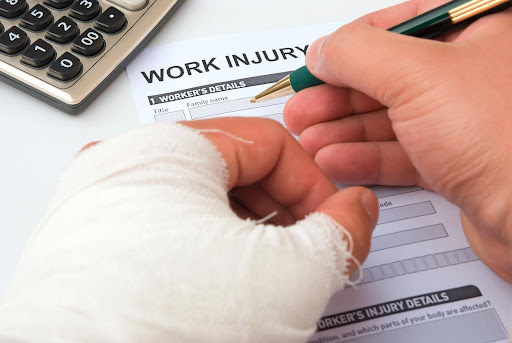
A noteworthy interaction between employers and employees involves workers’ compensation, providing employees with compensation and support if they sustain illnesses or injuries while working. When handling workers’ comp claims, employers may encounter numerous challenges that can be overcome by implementing strategies such as reporting workplace injuries promptly, communicating with employees effectively, providing detailed documentation, and making the work environment as safe as possible, which also help to minimize costs, mitigate risk, and ensure workforce productivity. Learn how employers can successfully manage workmans’ comp claims, and find out how the experienced New York employer defense attorneys from Schwab & Gasparini might assist businesses with their employment law concerns; call (315) 422-1333 (Syracuse), (518) 591-4664 (Albany), or (914) 304-4353 (Hudson Valley/White Plains) today to arrange a preliminary discussion.
What Is Workmans’ Comp?
According to the New York City Law Department, New York enacted legislation known as the workers’ comp statute to tackle historical unfairness between employees and employers concerning workplace injuries. This law requires employers to pay for insurance, where employers assume liability for work-related injuries/illnesses, irrespective of fault, and provide employees with medical cost reimbursement and limited loss of earnings benefits in exchange for prohibiting employees from initiating legal proceedings against them. Per the New York Workers’ Compensation Board, employees do not have to contribute toward the cost of this insurance, and the employer's insurer typically makes weekly benefit payments to the injured/ill employee, which the state agency responsible for processing these claims, known as the Workers’ Compensation Board, oversees.
Generally, employees do not receive reduced compensation in workers’ comp cases for being careless (with the exception of intoxication from alcohol or drugs or deliberately injuring themselves or another party) or increased compensation if an employer caused their injury/illness. The injured worker receives benefits provided the employer or their insurer agrees that they have a work-related illness or injury; if there is a dispute concerning the claim, the worker receives no benefits until a judge determines whether the employee’s ailment came about while completing their work duties. Some workers might be eligible for wage replacement benefits if they can start work again but cannot work for the same amount of time as before the injury/illness, while others may complete alternative duties or fulfill lighter responsibilities until fully healed.
What Is the Best Method That Employers Can Use To Manage Workers’ Compensation Costs?
By adopting certain workers’ comp management approaches, companies can keep their employees safe, avoid reducing their resources unnecessarily, and maintain productivity while still supporting employees who sustain workplace injuries or illnesses. These strategies include the following.
Implement Safety Measures
One of the most effective ways of managing workers’ comp costs relates to preventing injuries from occurring in the first place by introducing rigorous workplace safety measures. This may involve offering comprehensive, tailored health and safety training, providing wellness programs (for example, fitness programs and health screenings) and safety equipment, maintaining machinery regularly, and enforcing employee safety protocols. Safer work environments lead to a reduced number of workers’ comp claims, which can result in lower long-term insurance premiums.
To identify suitable measures for their business, employers may consider consulting with health and safety specialists who have experience in their industry. Alongside this, they can carry out thorough risk assessments and encourage staff to make safety suggestions or join safety committees.
Conduct Frequent Safety Audits
Once a company establishes effective safety measures, reviewing them regularly is a necessary next step, particularly in sectors such as construction where the work environment can change regularly. This helps employers identify possible hazards and introduce changes to safety protocols that address these dangers and avoid injuries in the workplace. Businesses may consider appointing safety officers and rewarding these individuals for diligently spotting potential risks while seeking to adopt safety protocols that align with the highest safety standards.
In addition, reviewing workers’ comp policies ensures companies comply with regulations and helps them identify where they can save costs and retain coverage. When done effectively, in collaboration with insurance brokers, employers can identify discrepancies that might lead to increased premiums, such as job classification and payroll errors, while carefully examining premium calculations and coverage limits to determine where they can find further savings. Obtain more information regarding the handling of workmans’ comp claims, and discover how Schwab & Gasparini can help companies with their employment-related legal queries; contact our firm today to schedule an appointment with a knowledgeable New York employer defense lawyer.
Encourage Prompt Reporting
Employers can successfully manage workers’ comp claims by encouraging their employees to report any workplace illnesses or injuries as soon as possible. To do this, companies may have reporting forms readily available, such as printed versions close to first-aid boxes. Prompt reporting also encourages injured workers to seek immediate care, like first aid, which can prevent minor injuries such as burns and sprains from worsening; mild injuries left unaddressed may become more severe over time, which could increase the amount of time the injured worker has to take off work to recover from their injuries, thereby increasing workers’ compensation claim costs.
Develop Efficient Claims Processes
Establishing efficient processes for handling workers’ comp claims allows employers to deal with them fairly and promptly, which reduces costs, discourages fraudulent claims, keeps insurance premiums low, and minimizes the risk of litigation. This strategy involves creating clear reporting processes, such as outlining how to report an injury/illness and who to report this to, as well as training managers on how to respond to reported injuries, including offering first aid and comprehensively documenting the incident. Other steps include developing a close working relationship with the insurance provider, which enables employers to openly discuss claims and seek guidance on dealing with complex cases, and regularly reviewing ongoing claims to identify and resolve issues early in the claims process.
Help Employees Return to Work Quickly
Introducing return-to-work programs helps ensure that injured employees come back to work quickly, which minimizes claim costs and duration, supports employee retention and recovery, and keeps productivity levels high across the company. These programs normally facilitate rehabilitation and involve workers performing light or different duties until they have recovered completely. When adopting this strategy, employers may consider developing formal and clear return-to-work policies, communicating with the injured worker’s medical providers to align the return-to-work plan with medical advice, and training managers/supervisors on return-to-work policies and modified work duty implementation.
What Is the First Thing That Must Be Done When a Worker Is Injured?
If an employee sustains a workplace injury, the employer may want to remain as calm as possible to avoid escalating a situation that can already be stressful and uncomfortable for those involved. Following this, the employer might consider helping the injured party to promptly seek medical assistance. In the event of a severe injury, this could involve calling an ambulance or assisting with travel to a hospital, whereas, for less serious injuries, this might entail referring the injured party to an on-site first-aider and encouraging the employee to visit a doctor as soon as they can.
Which Profession Has the Highest Workers’ Compensation Claims?
The professions with the highest workers’ compensation claims include nursing, construction, retail, logistics, and other roles involving physical duties, primarily due to working in hazardous environments, handling dangerous materials, or interacting with potentially hostile patients, clients, or customers, although many claims also arise in positions without such responsibilities. Some common causes for workers to initiate these claims include trip/slip and fall incidents, overexertion, assaults, being hit by objects, auto accidents, becoming trapped between or in objects, improper employee training, equipment malfunctions, electrocutions, non-safe work environments, exposure to hazardous substances, and repetitive strain injuries.
Discuss Your Legal Requirements With an Experienced New York Employer Defense Attorney Today
Handling workers’ comp claims effectively helps create safer and more supportive work environments, minimizes costs, and mitigates risk. This involves adopting informed and proactive management strategies, including prompt investigation, timely reporting, thorough documentation, developing robust training and safety programs, regularly reviewing workers’ comp policies, and streamlining claims management procedures. To continue the discussion of managing workmans’ comp claims, and acquire assistance in this area, consider contacting a seasoned New York employer defense attorney; call Schwab & Gasparini today at (914) 304-4353 for our offices in White Plains/Hudson Valley, (315) 422-1333 for our Syracuse site, or (518) 591-4664 for our Albany branch.
Syracuse
109 South Warren Street
Suite 306
Syracuse, NY 13202
Phone: 315-422-1333
Fax: 315-671-5013
White Plains
222 Bloomingdale Road
Suite 200
White Plains, NY 10605
Phone: 914-304-4353
Fax: 914-304-4378
Hudson Valley
1441 Route 22
Suite 206
Brewster, NY 10509
Phone: 914-304-4353
Fax: 914-304-4378
Albany
17 Elk Street
Albany, NY 12207
Phone: 518-591-4664
Fax: 315-671-5013
© Copyright 2026 Schwab & Gasparini. All Rights Reserved. Sitemap | Legal | Law Firm Internet Marketing by Law Firm Essentials