
Firm News
How To Address Defamation And Reputation Damage In Business Litigation
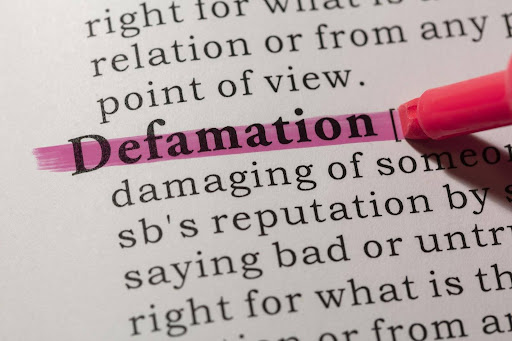
Businesses experience defamation when other individuals or entities make false claims causing reputational damage. Such claims can be written (libel) or verbal (slander) statements, which can greatly harm a business’s standing in the community, potentially impacting sales and profits. Learn about defamation, including how to prevent and respond to it, and discover how an experienced New York business litigation attorney can help companies avoid suffering reputation damage; call the law offices of Schwab & Gasparini at (315) 422-1333 for our Syracuse office, (518) 591-4664 for our Albany site, or (914) 304-4353 for our White Plains/Hudson Valley locations.
Understanding Defamation and Reputation Damage
Per the Legal Information Institute (LII), defamation refers to an injurious statement made by one party that damages another’s reputation. Libel relates to permanent statements, such as written remarks and content broadcast online or on the radio or TV, whereas slander involves statements in a transitory form, like speech, gestures, and physical actions. State statutory and common law governs defamation, so the potential damages and defamation standards vary depending on location.
New York defamation law attempts to strike a balance between upholding freedom of speech, enshrined by the First Amendment of the United States Constitution, by permitting harmful but truthful statements, and preventing defamatory statements that unjustly damage a party’s reputation. Winning a defamation claim requires plaintiffs to prove that the verbal/written statement made concerned them, that a third party published the statement, that the statement damaged their reputation, that the statement was false, and that the remark did not receive privilege protection. If the party bringing the defamation suit wins, they could receive compensatory damages to cover their losses, as well as punitive and/or additional special damages.
How Does Defamation Impact Businesses?
Defamatory remarks can harm businesses in various ways. For instance, they can lead to reduced revenue as a result of customers losing trust in a company’s brand, damage a business’s credibility, which may have taken several years to establish, and result in a business incurring legal fees to rectify the harm caused.
Proving Reputational Damage
As with all types of legal claims, collecting supportive evidence is key, including news articles, witness statements, social media content, and emails, demonstrating how the false remarks have damaged the company’s reputation. If the company has experienced financial losses as a result of the reputational damage, the business may gather documentation quantifying these losses, such as lost business opportunities and decreased sales. They might also consider engaging professionals like forensic accountants or reputation management consultants to obtain expert testimony highlighting the damage to the company’s finances and reputation.
Other useful forms of evidence include making use of polls/surveys to gauge how the public perceived the organization prior to and after the other party made the statement and utilizing witness testimonies from parties who can confirm the reputational damage, such as industry peers, clients, and colleagues. Reputational damage can also have a psychological impact, meaning business owners could highlight the mental anguish, emotional distress, or anxiety they have suffered due to the defamatory statement to prove they have sustained losses. Finally, companies can conduct comparative analyses, such as by reviewing media coverage and social media analytics to compare their organization’s reputation pre- and post-statement.
Why Is It Important To Promptly Address Defamation Claims?
If left unaddressed, defamation can quickly escalate in severity and scale, leading to businesses experiencing greater harm. Businesses that promptly identify defamatory remarks can swiftly take action to mitigate damage and safeguard their reputation. Additionally, many states have time limits (the statute of limitations) for initiating defamation claims, and if a company brings a claim outside this window, it may be unable to seek legal remedies; in New York, this period is one year from the initial date of publication.
Worth noting is that if the harmful statement is true, this is typically a complete defense. Company owners may want to carefully analyze whether the remark has any element of truth to it before taking legal action, as if a defendant relies on this defense and the court agrees, this may expose the organization to counterclaims. Find out more about how companies can handle defamation and reputation damage, and explore how a knowledgeable New York business litigation attorney might assist organizations experiencing this type of legal issue; contact Schwab & Gasparini today to book an appointment with our team.
Examples of Business Defamation
Defamation can take many forms when it impacts businesses. Below are several examples.
Fake Product Claims
One example relates to a disgruntled customer falsely claiming that a company’s goods or services cause harm or are low in quality. These remarks may lead to unfair reputational damage and lost customers.
Social Media Posts and Online Reviews
Anonymous reviews made online can substantially damage a company’s reputation, particularly when posted maliciously and on a non-factual basis. Additionally, social media posts containing defamatory remarks about a business can quickly become viral, especially if the poster has a large number of followers.
Current and Former Employees
A company’s current or former staff members might spread untrue information regarding the organization, colleagues, or management. Such accusations may relate to unethical practices or mistreatment, which may damage relationships with partners, clients, and suppliers and cause legal complications.
Competitors’ Behavior
Competitors can sometimes behave in a defamatory manner to harm a company’s reputation and receive a competitive advantage, such as by making false claims concerning an organization’s financial stability, goods/services, or leadership. To affect how the public perceives another company, they might utilize online platforms or the media to publish harmful statements.
How Do You Address Defamation?
By quickly addressing defamatory statements, businesses can minimize the damage to their reputation and brand. Here is how companies can achieve this.
Implement Preventive Measures
Perhaps the most ideal method for handling defamation entails preventing it from transpiring. To achieve this, companies can implement clear policies related to online behavior, media relations, and employee conduct, covering respectful communication guidelines and the consequences of spreading damaging/false information regarding the organization.
Monitor and Respond to Social Media Posts/Reviews
Company owners might consider managing public perception of their organization online by promptly and professionally responding to social media content or negative reviews. If they encounter a fake post or review, they could inquire with the platform about removing it to minimize damage.
Consider Legal Action
Another option involves considering asking an attorney for advice. These professionals can analyze the case and identify the next steps and possible remedies, such as filing a lawsuit, pursuing an injunction, or sending the other party a cease-and-desist letter.
Employ Reputation Management Strategies
A final approach involves utilizing strategies designed to counteract fake statements and safeguard a company’s reputation. Examples include highlighting positive client testimonials, creating press releases, and making clarifying statements.
Book an Appointment With a New York Business Litigation Attorney To Find Out More
To mitigate defamation’s impact on a company’s finances and reputation, businesses might want to actively monitor statements made by other parties about their organization and swiftly employ response strategies after spotting false, damaging claims, including considering engaging with legal counsel and gathering evidence of the damages sustained. In addition, they could take proactive measures and understand the available legal remedies to enable them to effectively safeguard their brands and seek appropriate recourse. Contact a seasoned New York business litigation lawyer from Schwab & Gasparini to learn more about how businesses can address defamation and reputation damage; call us today at (914) 304-4353 (Hudson Valley and White Plains), (518) 591-4664 (Albany), or (315) 422-1333 (Syracuse).
Syracuse
109 South Warren Street
Suite 306
Syracuse, NY 13202
Phone: 315-422-1333
Fax: 315-671-5013
White Plains
222 Bloomingdale Road
Suite 200
White Plains, NY 10605
Phone: 914-304-4353
Fax: 914-304-4378
Hudson Valley
1441 Route 22
Suite 206
Brewster, NY 10509
Phone: 914-304-4353
Fax: 914-304-4378
Albany
17 Elk Street
Albany, NY 12207
Phone: 518-591-4664
Fax: 315-671-5013
© Copyright 2026 Schwab & Gasparini. All Rights Reserved. Sitemap | Legal | Law Firm Internet Marketing by Law Firm Essentials