
Firm News
Emerging Trends In Wage And Hour Enforcement: Implications For Businesses
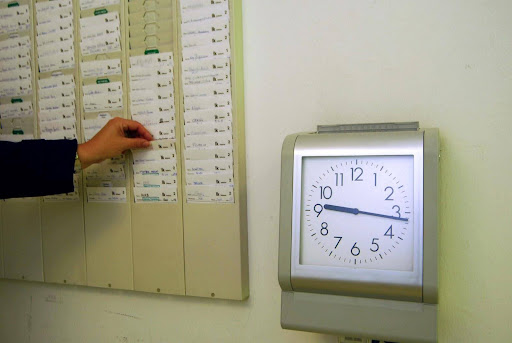
New York business owners in all industries should be aware of the emerging trends in wage and hour enforcement. An increase in the cost of labor can impact other areas of the business, so it is especially important to make decisions that are right for the company while maintaining compliance. If you have questions about the implications for business in your company, consider contacting an experienced New York business litigation attorney at Schwab & Gasparini to schedule a consultation. Call the Syracuse office at (315) 422-1333, the Albany office at (518) 591-4664, or the White Plains and Hudson Valley offices at (914) 304-4353.
The Wage Theft Prevention Act (WTPA)
The Wage Theft Prevention Act (WTPA) of New York requires companies to provide new employees with a written wage notice, in English and in the employee’s primary language if available, that gives the following information:
- The employee’s wage rate or rates, including any applicable overtime rate
- How the employee will be paid, whether hourly, per shift, daily, weekly, or by commission
- The employee’s regular payday
- The employer’s legal name and any other names used for business
- The employer’s principal address and phone number
- Any allowances taken
The Act also requires statements to be included whenever wages are paid. This is to provide the employee with details regarding regular and overtime pay and information about any pay deductions or allowances. Businesses must take all necessary steps to ensure compliance and avoid liability under the WTPA. Wage theft claims can result in fines as well as damaged reputations for businesses. The skilled legal team at Schwab & Gasparini may be able to help ensure compliance with the WTPA and other state and federal regulations.
What Is Wage Theft?
Wage theft occurs when an employer steals an employee’s wages. Theft of wage may happen in a number of different ways, including failing to pay at least the minimum wage, failing to pay overtime as earned, stealing employee tips, and incorrectly classifying employees as independent contractors. Payroll fraud is another form of wage theft, and so is failing to provide employees with legally required meal and rest breaks.
The federal Fair Labor Standards Act (FLSA) establishes the standards for minimum and overtime wages, recordkeeping, and employment of minors. The New York State Labor Laws address employment relationships, state minimum wage, work hours, employment of minors, and more. Many employers are subject to both federal and state laws. When employers fail to comply with regulations, they may be investigated by a regulatory agency or be named in a private lawsuit. In either case, the employer may be ordered to pay back wages to employees in addition to potential fines and legal fees. In extreme cases, wage theft may result in criminal charges against the employer with potential fines and jail time if convicted.
The Federal Minimum Wage
The federal minimum wage, according to the United States Department of Labor, is still $7.25 per hour for nonexempt employees. This was the most recent federal minimum wage increase, which became effective on July 24, 2009. However, tipped employees have not seen changes in their rates since 1996, which set the minimum rate at $2.13 per hour as long as the employee received the balance of the minimum wage in tips.
Some states have either not adopted a state minimum wage or have state minimum wages below the federal minimum. In states where the state minimum wage is lower than the federal minimum wage, employers who are covered by the Fair Labor Standards Act (FLSA) must pay the federal minimum wage.
New York Minimum Wage Trends
Already among the top ten states in the United States with the highest minimum wages, New York has a minimum wage that is trending up. According to Governor Kathy Hochul of New York State, minimum wage earners in New York have received a fifty-cent pay raise as of January 1, 2025. Those earning the minimum wage in New York City, Westchester, and Long Island will now earn $16.50 per hour, while other New Yorkers will earn a minimum of $15.50. The minimum wage will increase by fifty cents again in 2026 and then increase annually at a rate to be determined based on regional inflation. Employers who do not increase wages accordingly could receive notice from the New York State Department of Labor (NYSDOL) regarding wage complaints from their employees.
How Do Wage Increases Affect Businesses?
Although raises in the minimum wage may improve workplace productivity and encourage loyalty among employees, increases in the cost of labor can have significant implications for businesses. Higher labor costs often translate to higher product costs as businesses avoid smaller profit margins. Companies may hire fewer people and outsource more tasks to keep their costs down and prevent significant increases to the prices their customers must pay.
One strategy to help keep costs down without losing customers may be to ensure that all employees work regular hours only with no overtime unless it is approved in advance. Also, carefully budgeting for the increased labor expense and carefully planning for any necessary price increases will help to retain employee and customer loyalty.
How To Maintain Compliance and Avoid Liability
Because there has been an increase in recent years of Department of Labor (DOL) enforcements and class action lawsuits for wage violations, employers should take proactive steps to avoid wage and hour disputes with their employees. Depending on the type of business, any of the following steps may help:
- Conduct regular internal audits to identify and fix problems in the company’s compensation practices
- Review employee classifications to ensure that all exempt employees meet the current criteria for exemption and that employees and contractors are labeled correctly and paid correctly according to their type
- Implement technology and procedures for tracking time to accurately capture all employee work hours, including those for remote staff
- Train company managers on proper protocols for managing in-person or remote teams, addressing overtime, and complying with wage laws
- Consult with a business lawyer for guidance regarding complying with current state and federal laws
- Monitor changes in wage and hour laws and realign company practices as needed
Contact a New York Business Attorney Today
With emerging trends in wage and hour enforcement and their implications for business profits and growth, it is essential for companies to be aware of the latest laws and take steps to ensure compliance. Consider contacting the knowledgeable legal team at Schwab & Gasparini to learn more. Call (315) 422-1333 to reach the Syracuse office, (518) 591-4664 to reach the Albany office, or (914) 304-4353 to reach the White Plains and Hudson Valley offices.
Syracuse
109 South Warren Street
Suite 306
Syracuse, NY 13202
Phone: 315-422-1333
Fax: 315-671-5013
White Plains
222 Bloomingdale Road
Suite 200
White Plains, NY 10605
Phone: 914-304-4353
Fax: 914-304-4378
Hudson Valley
1441 Route 22
Suite 206
Brewster, NY 10509
Phone: 914-304-4353
Fax: 914-304-4378
Albany
17 Elk Street
Albany, NY 12207
Phone: 518-591-4664
Fax: 315-671-5013
© Copyright 2026 Schwab & Gasparini. All Rights Reserved. Sitemap | Legal | Law Firm Internet Marketing by Law Firm Essentials